
Adapt Knowledge Brief
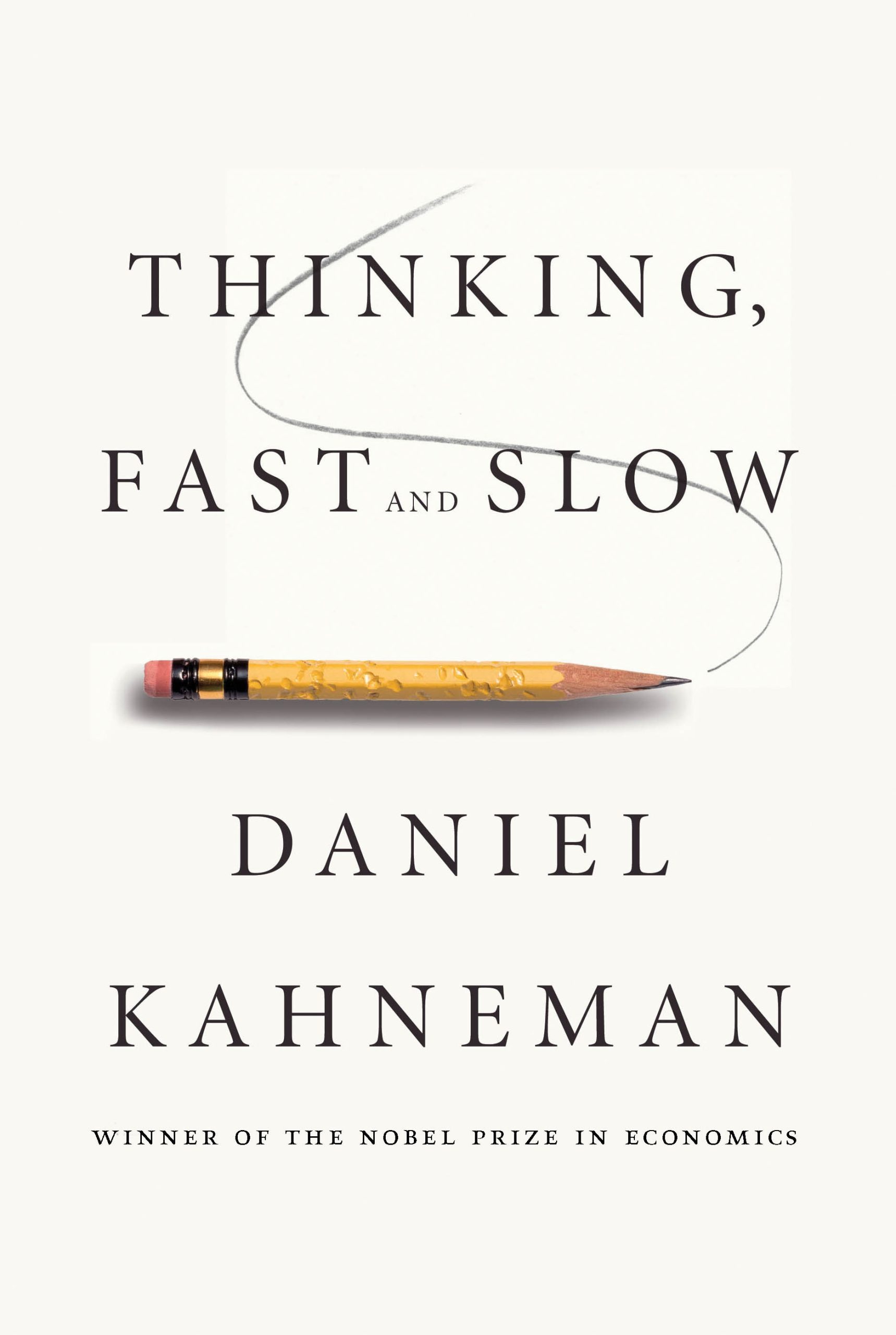
Thinking, Fast and Slow
by Daniel Kahneman
Thinking, Fast and Slow is a groundbreaking book that explores the two systems that drive the way we think, which are directly related to the concept of individual agility. System 1 is fast, intuitive, and emotional, aligning with quick decision-making. System 2 is slower, more deliberate, and more logical, aligning with thoughtful analysis. Kahneman examines how these two systems shape our judgments and decisions, revealing the extraordinary capabilities and biases of fast thinking and the pervasive influence of intuitive impressions on our thoughts and behavior.
AUTHOR’S BACKGROUND
Daniel Kahneman is a renowned psychologist and Nobel laureate in Economics. He is a professor emeritus of psychology and public affairs at Princeton University and is known for his work on the psychology of judgment and decision-making, as well as behavioral economics.
THE ONE BIG IDEA
Our thinking processes can be divided into two systems – a fast, intuitive, and emotional system, and a slow, deliberate, and logical system. Understanding how these systems interact can help us make better decisions and avoid common cognitive biases, thereby enhancing our individual agility.
Key Insights
- Dual Systems and Individual Agility: Our minds consist of two systems: System 1 (fast and intuitive) and System 2 (slow and deliberate). Balancing these systems is crucial for individual agility.
- Bias and Error Management: System 1 is prone to biases and errors, while System 2 is more logical and accurate but requires more effort. Being aware of these can help in adapting and pivoting effectively.
- Cognitive Biases and Quick Decision-making: Cognitive biases, such as anchoring, framing, and the availability heuristic, can significantly influence our decisions. Being aware of these biases aligns with the agility principle of quick yet thoughtful decision-making.
- Overconfidence and Risk-taking: Overconfidence in our judgments can lead to poor decision-making. This connects to the agility principle of taking calculated risks and viewing setbacks as opportunities for growth.
- Decision-making and Continuous Improvement: Understanding the interplay between these two systems can help us improve our decision-making and overcome cognitive biases, aligning with the agility principle of continuous self-improvement.
Action Steps
Balance Systems for Agility
Engage Deliberate Thinking
Challenge Cognitive Biases
Question Overconfidence
Counteract Biases
Personalized Takeaways
By mastering the interplay between the two systems of thinking—System 1’s quick, intuitive responses and System 2’s slower, more deliberate analysis—you can significantly enhance your individual agility. This understanding equips you to adapt and pivot effectively in rapidly changing environments, both professionally and personally. You’ll be better positioned to make quick yet well-considered decisions, take calculated risks, and view setbacks not as failures but as opportunities for growth and learning. This holistic approach to decision-making not only improves your immediate outcomes but also contributes to your journey of continuous self-improvement, aligning perfectly with the principles of individual agility.
Learn More
Daniel Kahneman’s TED Talk: The Riddle of Experience vs. Memory
Nudge: Improving Decisions About Health, Wealth, and Happiness by Richard H. Thaler and Cass R. Sunstein